Paid Meets Organic: How to Decide What to Boost
- June 17, 2026
- 3 Pm

The Two Questions Every Social Media Team Gets Wrong Are "should We Boost This?" And "how Much Should We Spend?" The Wrong Answers Come From Treating Paid And Organic As Separate Disciplines. The Right Answers Come From A Small, Repeatable Framework You Can Run On Any Post In Under Five Minutes. This Is The Framework We Use At Social Posting Pro And What We'd Give A Team That Just Got Their First Paid Budget.
The Mental Model: Paid Is A Multiplier, Not A Substitute
Paid Social Does Not Fix Bad Organic Content. It Multiplies It. A Post That Performs At 3% Engagement Organically Will Perform At Roughly 3% When Boosted — You'll Just Expose More People To A Mediocre Post. The Teams That Confuse Paid And Organic Spend Their First Quarter Learning This Expensively.
The Corollary: Paid Social Is Mostly A Distribution Problem, Not A Creative Problem. The Post That's Already Winning Organically Is The Post Worth Boosting. Paid Amplifies What's Working; It Doesn't Redeem What Isn't. This Single Sentence Saves More Budgets Than Any Targeting Trick In 2026.
Three Implications Follow From The Multiplier Model:
Don't Boost A Post On The Day It Publishes. Wait 24-48 Hours And Watch Organic Signals First.
Boost Only Posts That Are Over-performing Relative To Your Account's Average. Over-performance Is The Proof That The Creative Resonates.
Don't Try To "rescue" Underperforming Posts With Budget. The Money Lights On Fire Faster Than You'd Expect.
The Boost-or-not Test
When Deciding Whether A Specific Post Deserves Money Behind It, Run A Five-question Test. Three Or More "yes" Answers And The Post Is Worth Boosting; Fewer Than Three And The Budget Is Better Held For The Next Post.
Did Organic Engagement Exceed Your Account's Median In The First 24 Hours? Numerical, Fast To Measure, And The Single Most Predictive Signal Of Paid Performance.
Does The Post Survive Without An Audio Track? A Surprising Amount Of Paid Reels And TikTok Video Plays Muted In Feed. If The Post Depends On Audio To Make Sense, Paid Spend Will Under-perform Organic.
Does The First Three Seconds Make Sense Without Context? Paid Distribution Lands In Front Of Cold Audiences Who Don't Know Your Brand. The Post Needs To Communicate The Hook Within Seconds; "as I Was Saying Yesterday" Doesn't Translate.
Is There A Clear Next Step? A Profile Click, A Link, A Save Prompt. Paid Traffic Without A Destination Is Awareness Spend Dressed Up As Performance Spend.
Would You Be Proud Of This If 100,000 Strangers Saw It Tomorrow? Paid Radically Changes The Audience Composition. A Post You Wrote For Your Existing Followers May Read Very Differently To A Cold Viewer.
The Five Questions Take Three Minutes Per Post. The Honest Yes/no Count Is The Budget Gate. Most Teams Discover That Two-thirds Of The Posts They Instinctively Wanted To Boost Don't Pass The Test — And The Budget Held Back Gets Spent On The Third That Does, With Much Better Results.
The 70/20/10 Budget Split
Once You Have A Sense Of What To Boost, The Next Question Is How To Split A Paid Budget Across Your Active Campaigns. The Split That Works For Most B2B And Consumer Accounts Under $50k/month In Social Ad Spend:
70% — Proven Winners. Posts And Creative That Have Already Produced Clear Results. This Is The Work The Budget Exists To Scale.
20% — Extensions. Variations Of The Proven Winners — Different Opening Line, Different Visual, Different Audience. You're Testing Whether The Success Is Specific To One Execution Or General To A Pattern.
10% — Fresh Experiments. Genuinely New Creative, New Audiences, Or New Platforms. Most Of This 10% Will Fail. The Point Is That The Small Fraction That Works Gets Promoted Into Next Quarter's 70%.
Two Failure Modes The Split Prevents. First, "all-in On What's Working" Looks Efficient Until The Proven Winner Stops Working — At Which Point You Have Nothing In The Pipeline. Second, "let's Mostly Experiment" Feels Innovative But Produces No Sustained ROI; The Proven Work That Funded The Experimentation Gets Starved.
Run The 70/20/10 Split Monthly. Promote Anything From The 10% That Crossed Your Performance Threshold Up Into The 20% Next Month. Demote Anything From The 70% That's Losing Efficiency Back Into The 20% Before It Leaks Money. The Split Is Rebalanced; The Budget Total Can Stay Flat.
Ad Creative From Organic, Not The Other Way Around
The Most Expensive Mistake New Paid Teams Make Is Building Ad Creative From Scratch — Hiring A Designer, Scripting A Polished Spot, Producing It In A Studio, And Running It Cold. The Result Is Technically Polished And Almost Universally Underperforms Native Organic-style Creative.
The Reverse Approach, Used By Every Social Team That's Good At Paid In 2026: Your Highest-performing Organic Posts Become The Ad Creative.
The Carousel That Earned 8x Your Usual Saves Last Month? Boost It.
The Reel That Crossed Your Top Retention Threshold? Run It As A Paid Reel.
The Text Post That Drove Unusual Profile Clicks? Convert It Into A Sponsored Carousel With The Same Copy.
The Reason This Works Is Straightforward — Paid Feeds Are The Same Feeds As Organic, And Creative That Already Proved It Can Hold Attention Is Creative That Will Continue To Hold Attention. Studio-polished Ads Stand Out As Ads, Which On Social Platforms Is A Negative Signal In 2026. Native-feeling Ads Slot Into The Feed And Let The Post Do The Work.
The Implication For Budget Allocation: Your Paid Budget Calendar Should Follow Your Organic Calendar By 24-72 Hours, Not The Other Way Around. You Publish, You Observe, You Boost The Winners. The Paid Team And The Organic Team Are The Same Team Running On A Delay.
Audience Selection: Keep It Embarrassingly Simple
Most Paid Social Budgets Get Destroyed By Over-engineered Targeting. Layered Interests, Custom Audiences, Lookalike Modelling, And Geographic Exclusions All Sound Sophisticated And Almost Universally Underperform Broad Targeting In 2026.
The Reason: The Platforms' Targeting Models Are Dramatically Better Than They Were Even Three Years Ago. Meta, TikTok, And LinkedIn's Algorithms Find Your Buyer Faster When You Let Them. Stacking Your Own Interest Filters On Top Of Their Model Is, In Most Cases, Telling A Better Targeting Algorithm To Ignore Signals It Has Access To.
A Simple Targeting Structure That Works For Most Accounts:
Audience 1 (50% Of Budget): Broad Targeting — Country, Basic Age Band, Language. Let The Platform Optimise.
Audience 2 (30% Of Budget): Lookalike Of Your Customers, 1-3% Similarity, Broad Geographic Reach.
Audience 3 (20% Of Budget): Retargeting — People Who Visited Your Site Or Engaged With Your Content In The Last 90 Days.
Three Audiences, Not Thirty. Run Them For At Least Seven Days Before Judging. The Temptation To "optimise" By Killing Under-performers In The First 48 Hours Is Almost Always Premature; The Platform Learning Curve Takes A Full Week To Flatten In 2026.
The Attribution Honesty Conversation
This Is The Part Of Paid Social Most Teams Avoid. Modern Attribution Is Fundamentally Lossy. Cookie Loss, IDFA Changes, Multi-device Journeys, And View-through Measurement Decay All Conspire To Make Precise Attribution Impossible. Anyone Selling You "perfect Attribution" In 2026 Is Selling Something Else.
The Honest Version: Paid Social Attribution Is Directional, Not Precise. You Will Know Whether Spend Is Working At The Channel Level, In 7-30 Day Windows, With Confidence Intervals. You Will Not Know Which Specific Click Drove Which Specific Purchase. Internalise This Distinction, Build It Into Your Reporting, And Stop Trying To Defend Numbers You Can't Actually Defend.
The Metrics That Survive Attribution Chaos And Remain Useful:
Cost Per Qualified Action. Not Click — Qualified Action. A Click That Doesn't Fill A Form, Start A Trial, Or Register Doesn't Count.
Blended Customer Acquisition Cost Across All Channels. Total Marketing Spend Divided By Total New Customers. Crude, But Honest.
Incremental Lift Studies. Twice A Year, Run A Controlled Holdout — Turn Paid Social Off In One Geography For Two Weeks And Measure The Gap. Expensive To Run; Clarifying When Run.
Branded Search Trend. Paid Social Spend That Drives Branded Search (people Googling Your Name A Week Later) Is Doing Real Work Even When Click-based Attribution Undercounts It.
None Of These Are Perfect. Together They Give You A Defensible, Multi-angle View Of Paid Performance That Survives Platform Changes And Stakeholder Scrutiny.
The Platform Allocation Framework
"Where Should We Spend?" Is A Question With A Different Answer Per Business Model. A Useful Default For SaaS And Direct-to-consumer Brands In 2026:
Meta (Instagram + Facebook): Still The Highest Absolute Reach For Most Consumer And SMB B2B Audiences. 40-50% Of The Budget Unless You Have Specific Reasons Otherwise.
LinkedIn: High CPM, High Intent. The Right Tool For B2B With Average Deal Size Above ~$5k. 20-30% If Your Buyer Is On The Platform; 0% If Not.
TikTok: Reach Is Enormous And CPMs Are Still Relatively Low; Conversion Depth Varies Wildly By Category. 10-20% If Your Creative Can Be Native To TikTok; 0% If It Can't.
YouTube: The Most Under-rated Paid Channel In 2026 For Both Awareness And Direct Response. 10-20% If You Have Video Creative That Can Hold Attention.
X / Reddit / Pinterest: Niche Channels That Work For Specific Audiences. Most Accounts Shouldn't Allocate Here Until The Larger Channels Are Saturated.
This Is A Default, Not A Doctrine. Every Quarter, Look At Where Your Customers Actually Came From (per The Multi-angle Attribution Above) And Rebalance. Don't Fall In Love With The Channel Split That Worked Last Year — Paid Efficiency Curves Shift Quickly When Platforms Add Inventory Or Change Their Algorithms.
The Minimum Viable Paid Program
If You've Read This Far And You're Still In The "should We Even Start Paid?" Stage, The Smallest Version That's Worth Running:
One Platform — Your Strongest Organic Channel.
One Creative Type — Your Highest-saving Format From The Last 90 Days.
One Audience — Broad Targeting In Your Home Country, The Platform's Default Age Range.
Budget: $30-100/day For A Minimum Of Two Weeks Before Drawing Conclusions.
Two Weeks. One Platform. One Creative. Watch What Happens. Almost Everything You Read About Paid Social Can Wait Until You Have Two Weeks Of Your Own Data. Theory Is Cheap; Observed CPCs From Your Own Posts Are Not.
The Longer View
The Biggest Paid Social Wins In 2026 Don't Come From Clever Targeting Or Optimisation Tricks. They Come From Teams Who Built Strong Organic Content First, Learned Which Formats And Angles Resonated, And Then Put Money Behind The Proven Winners. The Order Matters. Paid Before Organic Is Product Before Product-market-fit; Paid After Organic Is Capital Allocation Behind Something That's Already Working.
That Ordering Is Also Why Most Ad Agencies Underperform In-house Teams Once An In-house Team Has Its Bearings. The Agency Starts Cold, With No Organic Baseline; The In-house Team Starts From A Quarter Of Organic Data That The Agency Couldn't Have. Build Organic First, Run Paid Second, And The Same Dollar Buys Two-to-five Times The Impact.
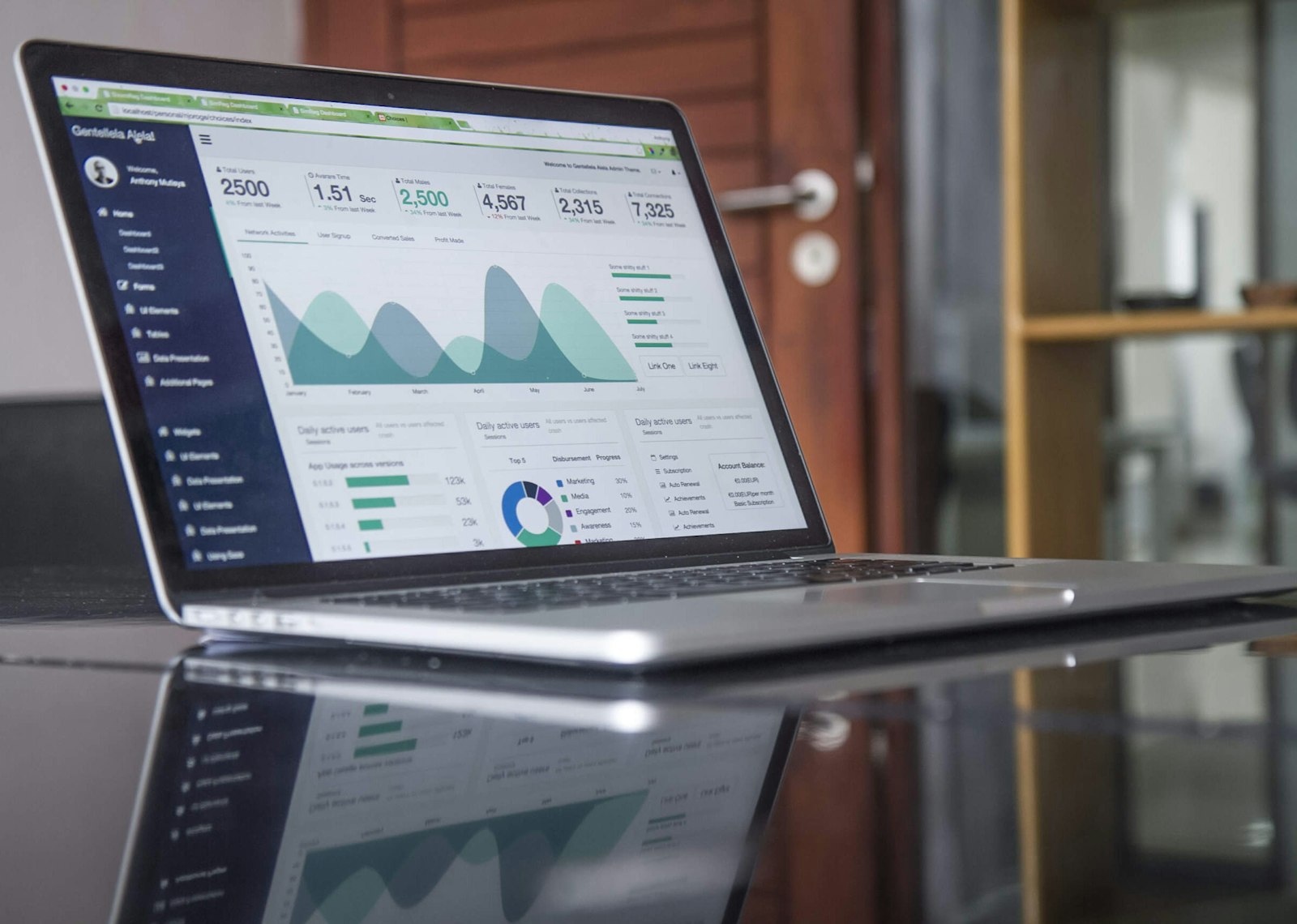
Social Posting Pro Shows Organic And Paid Performance On A Single Screen — So The Boost-or-not Test Takes Thirty Seconds And The 70/20/10 Split Rebalances Itself From Real Data. Start Free And Run Your Next Paid Month Against Your Actual Organic Winners.