The Short-Form Video Stack: A Workflow That Ships
- July 1, 2026
- 3 Pm
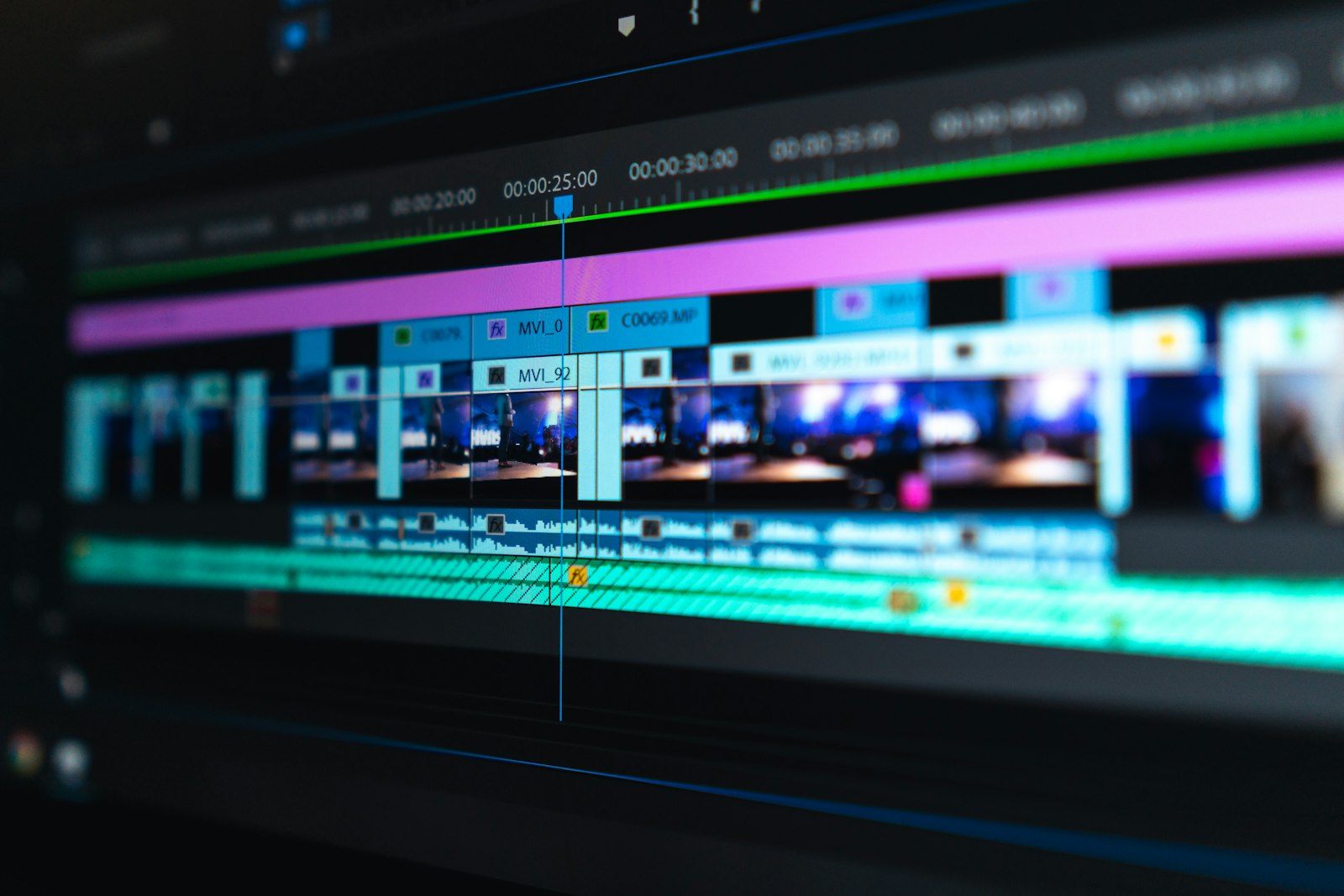
Most Teams' Short-form Video Programs Die In The Same Place: The Editing Timeline. They Record More Than They Ship, Polish More Than They Finish, And Collapse Three Months In Because The Workflow Consumes More Energy Than The Format Produces. This Is The Workflow That Actually Ships — Gear That's Enough, Scripts That Work, And The Batching Rhythm That Lets One Person Produce Four Videos A Week Without Losing Their Soul.
The First Thing To Understand About Short-form Video
Short-form Video In 2026 — TikTok, Reels, Shorts — Is Not A Smaller Version Of Long-form Video. It's A Different Format With Different Rules. Trying To Compress A Five-minute YouTube Approach Into Thirty Seconds Produces Videos That Perform Poorly On Every Platform.
What's Actually Different:
Hook In The First 1.5 Seconds, Not The First Thirty. The Viewer Is Mid-scroll; You Have Less Than Two Seconds To Give Them A Reason To Stop.
Retention Is Everything. The Platforms Care More About How Long The Viewer Watched Than About How Many People Liked It. A Video With 80% Completion And 1,000 Views Outperforms One With 30% Completion And 10,000 Views, In Terms Of The Algorithm's Willingness To Keep Showing It.
Loop Structure Beats Linear Structure. Videos Designed To Make Sense When Re-watched (or To Flow Back Into Themselves) Get Re-watched, Which The Platforms Read As Positive Signal And Amplify.
Sound Is Supplementary. A Meaningful Share Of Viewers Watch With Sound Off; On-screen Text Needs To Carry The Story Without Audio.
The Teams That Internalise These Four Constraints Early Ship Videos That Work. The Teams That Don't End Up With A Content Graveyard Of Beautifully Shot Clips That Nobody Watches Past The Second Second.
Gear: Enough Is The Right Answer
Gear Is Where Most Short-form Video Programs Lose Six Weeks Before They've Even Started. The "right" Answer Is Much Simpler Than YouTube Tutorials Suggest. The Minimum Viable Kit:
Phone. Whatever Phone You Have, If It Was Made In The Last Three Years. IPhone Or Modern Android Both Work.
One Light. A 12-18" LED Ring Light Or Panel, Around $50-100. Not Because It's Flattering — Because It's Consistent. Inconsistent Lighting Between Clips Is More Visible Than No Lighting At All.
One Mic. A Lavalier That Clips To Your Shirt And Connects To The Phone. $30-80. Built-in Phone Mics Sound Noticeably Worse The Moment You're More Than Two Feet From The Phone.
A Tripod With A Phone Mount. $25 On Amazon. Holding The Phone Produces Visibly Worse Video; A Tripod Is The Cheapest Production Upgrade You Can Make.
That's It. Total Spend Under $200. Anything Beyond This Is A Luxury. The "buy A Real Camera" Advice That Surfaces In Every Gear Thread Is Misleading For Short-form — Phone Footage Looks Native To The Platforms, And Mirrorless Camera Footage Often Looks Slightly Off Because The Algorithms And Audiences Expect Phone-shot Aesthetics.
The Trap Most Teams Fall Into: Spending $2,000 On Gear And Still Producing Videos That Under-perform. Gear Is A 5% Lever. Hooks, Scripts, And Editing Pace Are The 95%. Spend On The Latter And The Gear Will Catch Up Later If It Needs To.
The Three-act Script That Holds Attention
Every Short-form Video That Performs In 2026 Follows Roughly The Same Three-act Structure, Regardless Of Topic. The Acts:
Hook (0-1.5 Seconds). A Line That Earns The Next Ten Seconds. Either A Counter-intuitive Claim, A Specific Number, A Surprising Visual, Or A Direct Question.
Payoff (1.5-25 Seconds). The Actual Content — The Lesson, The Demonstration, The Punchline. Short Paragraphs, Hard Cuts Every 2-4 Seconds, On-screen Text Reinforcing Key Phrases.
Loop (25-30 Seconds). The Closing Line That Either Calls Back To The Hook (creating A Loop), Invites A Save ("save This For The Next Time You Ship A Launch"), Or Asks The Curious Follower To Follow For More.
Three Acts. Thirty Seconds. Memorise This And You'll Never Write A Short-form Script That Runs Over Three Minutes Long With Nothing To Say.
The Hook Is Where 80% Of Videos Fail. A Useful Test: Read The First 15 Words Aloud. If They Could Be The Opening Of Any Video On Any Topic, You Don't Have A Hook Yet. Keep Rewriting Until The Opening Line Is Uncopyable — Specific To Your Topic, Your Point Of View, Or The Surprise You're About To Deliver.
Editing Pace: The 2-4 Second Rule
Almost Every High-performing Short-form Video Has A Visual Change Every 2-4 Seconds. The Change Can Be A Hard Cut To A Different Angle, A Zoom, A Text Overlay, A B-roll Insert, Or A Transition. The Pacing Keeps The Viewer Engaged At A Low Level Even When The Content Is Steady.
The Reason This Works Isn't Aesthetic — It's Neurological. The Viewer's Attention Recalibrates With Each Visual Change. A Talking-head Video Held On A Single Shot For 30 Seconds Asks The Viewer To Do All The Cognitive Work Themselves. A Talking-head Video With A Cut Every Three Seconds Gives Them A Steady Drip Of Low-cost Novelty That Holds Attention.
Implementation In Practice:
Record The Take As A Single Continuous Segment.
In Editing, Add A B-roll Cutaway, Screen Recording, Or Text Overlay Every 2-4 Seconds.
Where There's No Logical B-roll, Zoom In Slightly On The Talking-head — The Visual Change Alone Is Enough.
You Don't Need A Separate B-roll Shoot For Most Videos. Three To Five Seconds Of "you Typing On A Laptop," "you Walking Outside," "you Holding A Phone Showing The Product" Can Be Re-used Across A Quarter Of Videos. Build A B-roll Library Once And Editing Time Drops By 40%.
The Captions Question
Auto-generated Captions Are Usable In 2026, But They're Not The Right Answer For The Words You Want Emphasised. The Pattern That Works:
Auto-captions For The Full Audio Track, In A Clean Sans-serif At The Bottom Of The Frame.
Hand-placed Text Overlays For The 3-5 Phrases Per Video That You Want The Viewer To Remember Even With Sound Off.
Numbers And Key Data Points Always Rendered As On-screen Text, Never Relying On The Audio Alone.
The Hand-placed Overlays Take Five Extra Minutes Per Video And Are The Difference Between Videos That Look "captioned" And Videos That Look "edited." Most Viewers Won't Consciously Notice; The Algorithms Reward The Engagement The Overlays Produce.
The Batching Workflow
Short-form Video Collapses Fastest When Each Video Is Shot, Edited, And Shipped On Its Own Day. The Workflow That Scales Is Batched.
The Four-video, Single-day Batch:
Monday Morning, 90 Minutes — Write Four Scripts. Each Script Is 100-200 Words, Structured By The Three-act Pattern Above. Write All Four Before Recording Any Of Them.
Monday Afternoon, 60 Minutes — Record All Four. Same Lighting, Same Angle, Same Outfit (or Change Once Mid-batch). Recording Four In A Row Takes Much Less Time Than Recording Four Across A Week.
Tuesday Morning, 90 Minutes — Edit All Four. Same Edit Template, Same Transition Library. The Second Video Edits Faster Than The First; The Fourth Faster Than The Second.
Tuesday Afternoon, 30 Minutes — Schedule And Write Captions. Each Video Gets Its Native Caption Per Platform. Schedule Across The Next Week.
Total: About Four-and-a-half Hours For Four Videos. That's An Hour Per Video, End To End. Most Teams That Produce Video Ad-hoc Spend Two-to-three Hours Per Video And Ship Inconsistently. Batching Gets The Per-video Time Down By 50% And Ships More Reliably.
The Retention Test: Watching Your Own Videos
The Single Highest-leverage Habit For Short-form Video Creators Is Watching Their Own Videos In The Platform Feed Alongside Other Creators' Content. Not In Your Editing Software — In The Native App, With Sound, On A Phone.
What You're Checking:
Does The First Second Compete With Whatever Video Came Before Yours In The Feed?
Do You, As A Viewer Who Didn't Make It, Want To Keep Watching Past Second Three? Past Second Ten?
Where Does Your Attention Drift? That Moment Is Where The Average Viewer Drops Off Too.
Does The Closing Line Make You Want To Watch Again, Follow, Or Move On?
This Is The Brutal Test. Most Creators Avoid It Because The Answer Is Often "I Would Have Scrolled." That's The Answer That Improves The Next Video. The Creators Who Watch Their Own Work In-feed And Edit Accordingly Improve Faster Than The Ones Who Only Watch Through The Editing Timeline.
What To Record About: The Topic Generator
The "what Do I Record About?" Problem Is Mostly A Planning Problem. The Topics Are Everywhere; The Issue Is That You Don't Have A System For Catching Them.
The Four-source Topic Engine:
Customer Questions. Every Question Your Customers Ask In Support, Sales Calls, Or Onboarding Is A Video Topic. The Unspoken Assumption — That "everyone Knows This" — Is Wrong. They Don't.
Your Own Week. The Decisions You Made, The Trade-offs You Wrestled With, The Small Wins. Treat Your Week As The Script.
Reactions To Industry News. Something Happens In Your Space; You Have A Take. Record The Take In 30 Seconds. The Cycle On Industry News Is Short — Record Fast, Ship Faster.
Re-cuts Of Older Content. Long-form Posts From Your Blog, Threads From X, Carousels From LinkedIn — Each One Can Be Re-shaped Into A 30-second Video. The Audience Overlap Is Small.
Run All Four Sources Continuously And You'll Never Run Out Of Topics. Record At Least One Video A Week From Each Source And The Program Self-balances Between Evergreen, Reactive, And Educational Content.
The Weekly Hit-rate Reality Check
Some Videos Will Perform; Most Will Not. The Accounts That Produce Well Perform On A Hit-rate Of Roughly 1-in-5 — One In Five Videos Meaningfully Outperforms Account Average, The Rest Are Baseline Or Below. Internalise This Rate Before You Start.
The Implication: Don't Over-invest In Any Single Video. The Video You Spent Six Hours Editing Isn't Twice As Likely To Hit As The One You Spent Two Hours On. The Variable That Produces Hits Is Shipping Volume — More Attempts, More Hits, Faster Feedback. The Teams That Ship Eight Videos A Month With Average Effort Consistently Outperform Teams Shipping Two Videos A Month With High Effort, By Margins That Are Larger Than They Look.
Once You Have A Hit, You Do Double Down. Re-cut It Differently, Post It On Platforms It Didn't Run On, Build A Content Series Around The Topic. The Hit Is Signal; Everything Before The Hit Is Just Shipping For The Chance To Find It.
When To Scale Up
The Natural Progression: Solo Founder Shooting On A Phone In Their Kitchen → Consistent Weekly Cadence → First Viral Video → Realisation That Production Is The Bottleneck → Small Upgrade In Gear And Editing Time → Weekly Cadence With Higher Production → Eventually, An Editor Who Does The Work You Used To Do Yourself.
The Mistake Most Accounts Make Is Jumping The Steps. Hiring An Editor Before Establishing A Reliable Script-and-record Habit Produces Beautiful Videos That Miss The Platforms' Aesthetic. Buying A Camera Before You've Learned What Makes Your Face On A Phone Work Produces Over-polished Content That Under-performs.
The Order Matters. Solo With A Phone For At Least Three Months. Then Upgrade Lighting And Audio. Then Bring In An Editor. Then, Only If It's Still The Bottleneck, Upgrade The Camera. Each Step Earns The Next.
Social Posting Pro Schedules Every Short-form Video Across TikTok, Reels, And Shorts With Platform-native Captions And Hashtags From One Screen — So The Only Thing The Workflow Needs From You Is The Actual Record-and-edit. Start Free And Ship Next Week's Batch Without A Third Tab.